



Common threats to website security
There are a number of common threats to website security, including:
- Malware: Malware is malicious software that can damage or disable your website, or steal data from your visitors.
- Phishing: Phishing is a type of social engineering attack where hackers try to trick you into revealing sensitive information, such as your login credentials or credit card number.
- SQL injection: SQL injection is a type of attack where hackers exploit vulnerabilities in your website’s database to steal data or take control of your website.
- Cross-site scripting (XSS): XSS is a type of attack where hackers inject malicious code into your website that can be executed by other visitors to your site.
- Distributed denial-of-service (DDoS) attacks: DDoS attacks are attempts to overwhelm your website with traffic, making it unavailable to legitimate visitors.
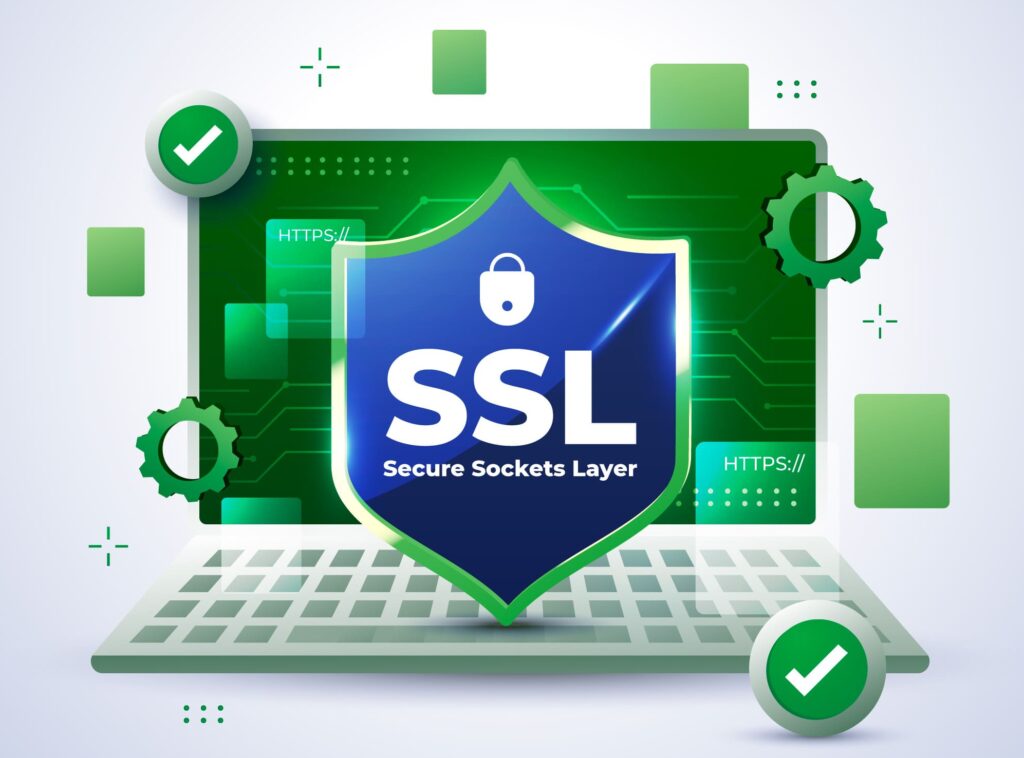
Understanding SSL certificates and their role in securing e-commerce sites
An SSL certificate is a digital certificate that authenticates the identity of a website and encrypts all data that is transmitted between the website and its visitors. SSL certificates are essential for e-commerce sites, as they protect customer data from being intercepted and stolen.

Best practices for secure e-commerce website development
There are a number of best practices that you can follow to develop a secure e-commerce website, including:
- Use strong passwords and multi-factor authentication: All passwords for your website should be strong and unique. You should also enable multi-factor authentication for all accounts.
- Keep your software up to date: Make sure that all of the software on your website is up to date, including your content management system, plugins, and themes.
- Use a web application firewall (WAF): A WAF can help to protect your website from common attacks, such as SQL injection and XSS.
- Scan your website regularly for vulnerabilities: You should regularly scan your website for vulnerabilities using a reputable security scanner.
- Have a security plan in place: You should have a security plan in place in case your website is attacked. This plan should include steps for responding to the attack, mitigating the damage, and recovering from the attack.

The role of secure payment gateways in e-commerce security
Payment gateways are responsible for processing payments on e-commerce sites. It is important to choose a secure payment gateway that uses the latest security technologies to protect customer data.
How to protect customer data from breaches and hacks
There are a number of steps that you can take to protect customer data from breaches and hacks, including:
- Store customer data securely: Customer data should be stored in a secure database that is encrypted.
- Limit access to customer data: Only employees who need access to customer data should have it.
- Use strong passwords and multi-factor authentication for all accounts that access customer data: This will help to prevent unauthorized access to customer data.
- Monitor your systems for suspicious activity: You should monitor your systems for suspicious activity that could indicate a breach or hack.
Regular security audits and updates for e-commerce sites
You should regularly audit your website security and make updates as needed. This includes checking for new vulnerabilities and updating your security software.
The impact of website security on SEO and user trust
Website security is an important factor in SEO. Google ranks websites higher in search results that are secure. Website security is also important for user trust. Customers are more likely to shop on websites that they trust are secure.
Website security tools and plugins for e-commerce sites
There are a number of website security tools and plugins available for e-commerce sites. These tools and plugins can help you to protect your website from a variety of attacks.

Conclusion: Taking proactive steps to protect your e-commerce site
It is important to take proactive steps to protect your e-commerce site from security threats. By following the best practices outlined in this blog post, you can help to keep your website and your customers’ data safe.